
Age Verification Required
This website contains products intended for adults 21 years of age or older. Please confirm your age to enter.
By entering, you confirm you are of legal vaping age in your jurisdiction. This product is not for sale to minors.
Sorry, you must be 21 years of age or older to access this website. Please come back when you are of legal age.
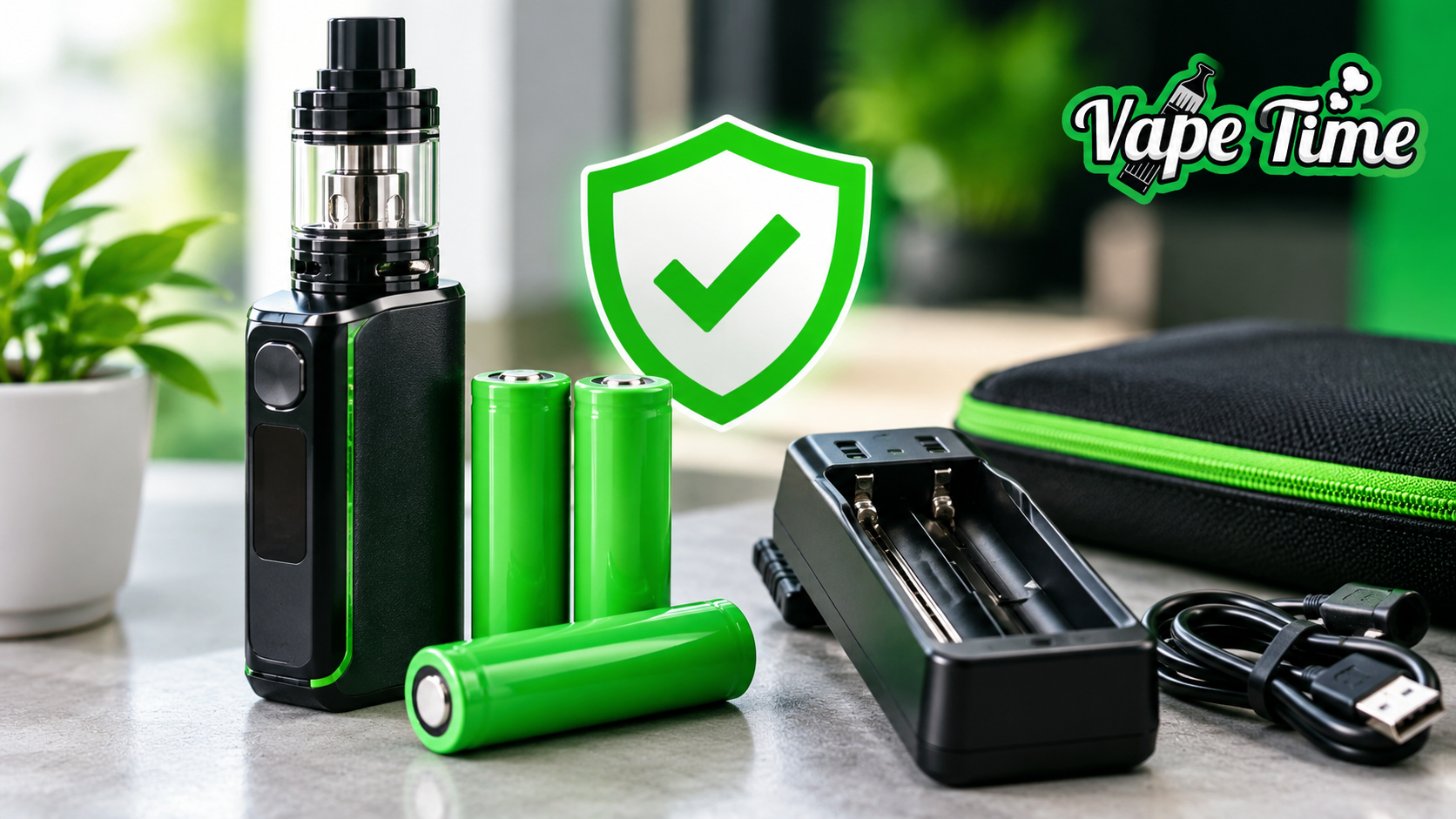
The biggest risks with vape batteries come from overcharging, physical damage, and extreme heat, and all three are easy to avoid with a few simple habits built into your everyday routine.Safe Charging PracticesUse the charging cable that came with your device, or a matched replacement, rather than a random cable pulled from a drawer, since mismatched voltage can stress the battery over time even if nothing goes wrong immediately. Unplug the device once it reaches a full charge rather than leaving it connected overnight out of habit. Charge on a hard, heat safe surface rather than on bedding or a couch cushion, which can trap heat around the device and slow down how efficiently it dissipates during charging. Browse our full vape accessories houston selection to see everything available.Proper Storage TipsStore batteries and devices at room temperature rather than in a hot car, direct sunlight, or near a heater. If you carry loose replacement batteries, keep them in a case rather than loose in a pocket or bag with keys and coins, since metal contact across the terminals can cause a short. A dedicated battery case is a small purchase that meaningfully reduces this risk if you regularly carry spares. For more on vape charger types guide, see our guide, Vape Charger Types Guide.Signs of a Damaged BatterySwelling or a device that no longer sits flush is a clear warning sign and means the battery should be stopped from use immediately. A device that gets unusually hot during normal charging or use, a noticeable dent, or a leaking or corroded battery compartment are all signs to stop using it and replace the battery or device. Any of these signs on their own is reason enough to stop using that battery, even if the device otherwise still seems to work. For more on vape coil, see our guide, How to Choose the Right Vape Coil for Your Device.What to Avoid DoingAvoid leaving any vape device charging unattended for long stretches, especially overnight. Never use a cracked, dented, or swollen battery, even if it still appears to work. Avoid exposing your device to extreme heat, whether that is a hot car in summer or leaving it near a stove or heater, since heat is one of the fastest ways to degrade a lithium battery’s safety margin over time.Why These Precautions MatterLithium batteries, the type used in most vape devices, are generally very safe under normal use, but physical damage or extreme heat can occasionally lead to a battery venting or, in rare cases, failing more seriously. The habits above are simple, low effort ways to keep that risk essentially at zero, and they cost nothing beyond a small amount of attention to how you charge, carry and store your device day to day.If You Are Ever UnsureIf a device or battery ever looks, feels, or smells different than usual, whether that means unusual heat, a strange odor, or visible swelling, the safest response is to stop using it and bring it into Vape Time for staff to take a look, rather than continuing to use it while hoping the issue resolves on its own.Traveling with Vape BatteriesWhen traveling, keeping devices and any loose batteries in carry on luggage rather than checked bags is generally recommended, since checked luggage is exposed to more handling and temperature swings, and most airlines have specific guidance around lithium batteries that is worth checking before a trip. Keeping devices powered off during travel, rather than in standby, also reduces the small risk of an accidental activation inside a bag.Everyday Habits That Add UpNone of these safety habits require much extra effort once they become routine. Charging on a hard surface, unplugging once full, storing at room temperature, and checking for obvious damage before each use are all quick habits that, together, keep battery related risk about as low as it can reasonably get for everyday vape use.Storing and Transporting Batteries SafelyLoose batteries should never be carried in a pocket or bag alongside keys or coins, since metal to metal contact against the battery terminals is a common cause of short circuits. A basic battery case, which Vape Time carries, keeps spare batteries separated and protected during transport. At home, storing batteries away from direct sunlight and extreme temperatures, rather than on a dashboard or windowsill, keeps them performing safely for longer.What to Do If a Battery Looks DamagedA battery with a torn wrapper, visible dents, or unusual heat during use should be taken out of service immediately rather than used until it fails outright. Vape Time staff can help identify whether a battery is still safe to use or should be replaced, and keeping a spare on hand means a damaged battery does not leave you without a working device while you wait to buy a new one.Why Overnight Charging Habits MatterLeaving a device plugged in well past a full charge, night after night, puts extra strain on the battery over time even when a charger includes basic safety cutoffs. Unplugging a device once it reaches a full charge, rather than leaving it connected for hours afterward out of habit, is a small change that helps a battery hold its charge well for longer. |